Conversion
A constant call to penance and amendment of life.
Works
More than an academic author, St Vincent Ferrer was a master of the spiritual life and a tireless preacher. His writings and sermons preserve a teaching that is clear, demanding and within everyone’s reach.
Treatises
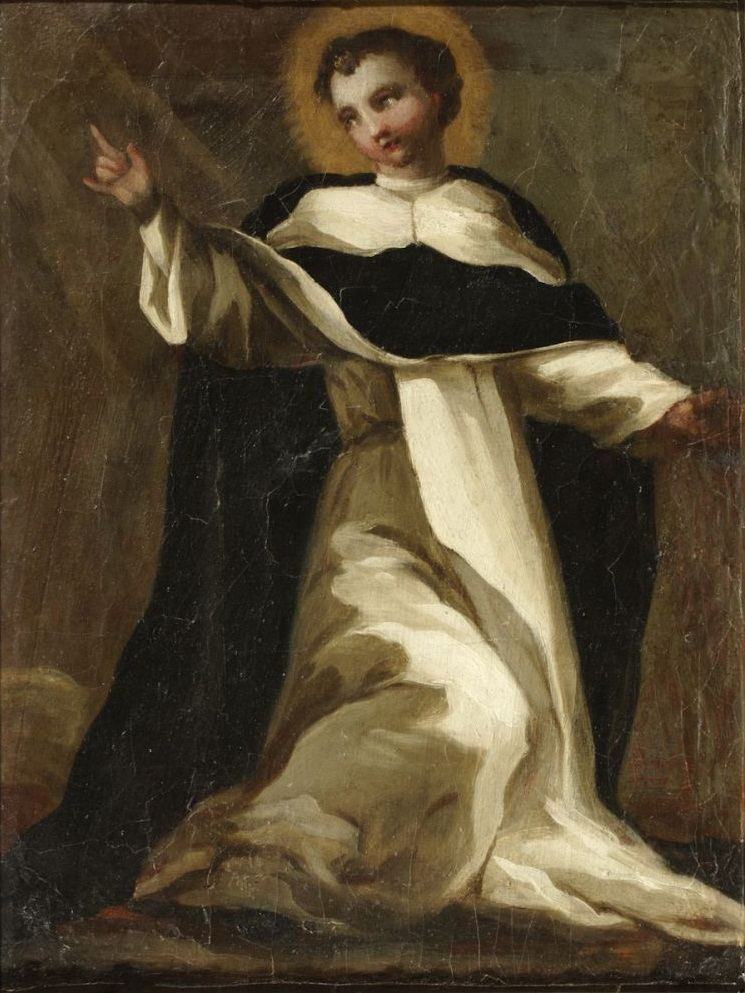
His best-known writing is the Treatise on the Spiritual Life (Tractatus de vita spirituali): a short ascetical work that gathers the teaching of the Fathers and offers it as a practical guide for all who seek God.
Its pages dwell on poverty, silence, obedience and purity of heart. From the fifteenth century onwards it circulated widely in manuscripts, editions and translations, and it has accompanied generations of religious and lay people alike.
Several early Latin treatises of a philosophical and theological character, linked to his years of study and teaching, are also attributed to him. Editors later gathered his writings into Opera omnia editions, including one published in Valencia in the late seventeenth century.
His great legacy
Preaching was the heart of his work. Many of his sermons have come down to us thanks to listeners who wrote them down as they heard them — the so-called reportationes. They are not polished texts composed at a desk, but the echo of a living word spoken before multitudes.
Among these witnesses a collection of sermons preserved in Avignon stands out, and contemporary scholarship has produced critical editions, such as those by Francisco M. Gimeno Blay and M.ª Luz Mandingorra.
A constant call to penance and amendment of life.
The urgency of preparing for the final encounter with God.
Reform of morals and reconciliation between individuals, families and peoples.
Teaching
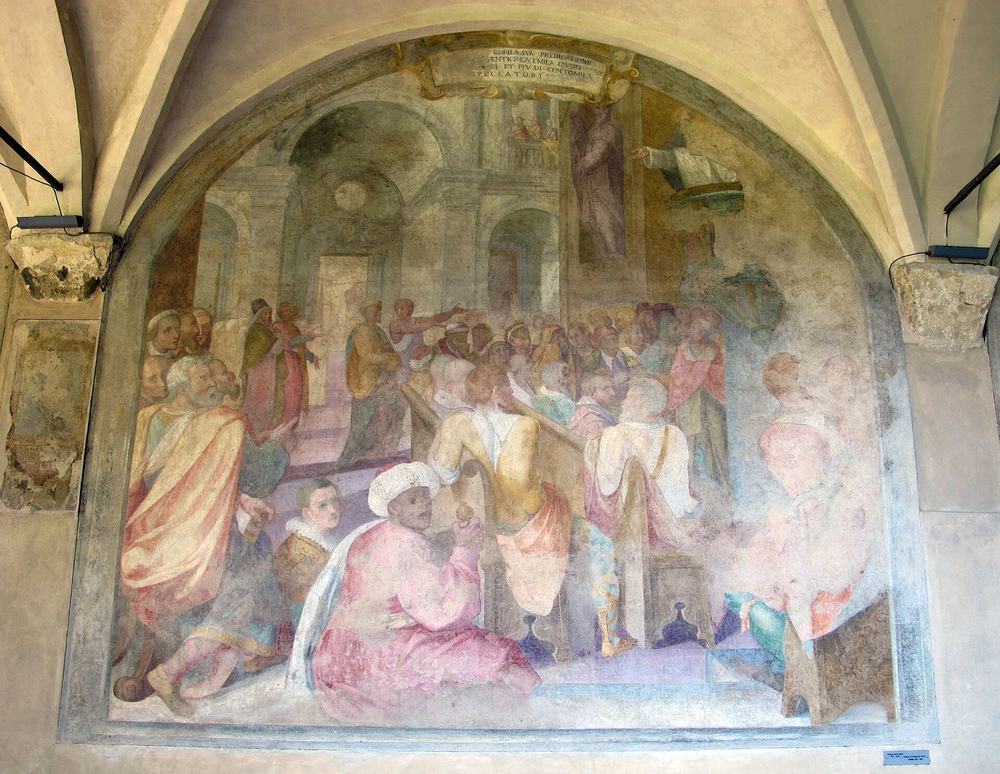
His thought is rooted in the Dominican tradition and in the theology of St Thomas Aquinas. Yet his doctrine is above all pastoral: it renders demanding truths in a language that peasant and scholar alike could understand.
That is why his teaching has crossed borders and centuries. To declare someone a Doctor of the Church, the Church weighs eminent doctrine, recognised holiness and a universal influence on her life. The cause we support holds that St Vincent Ferrer unites all these marks.
The declaration has not yet been made and belongs solely to the Holy Father.